FOOD AS Medicine
Association between insulin resistance and the development …
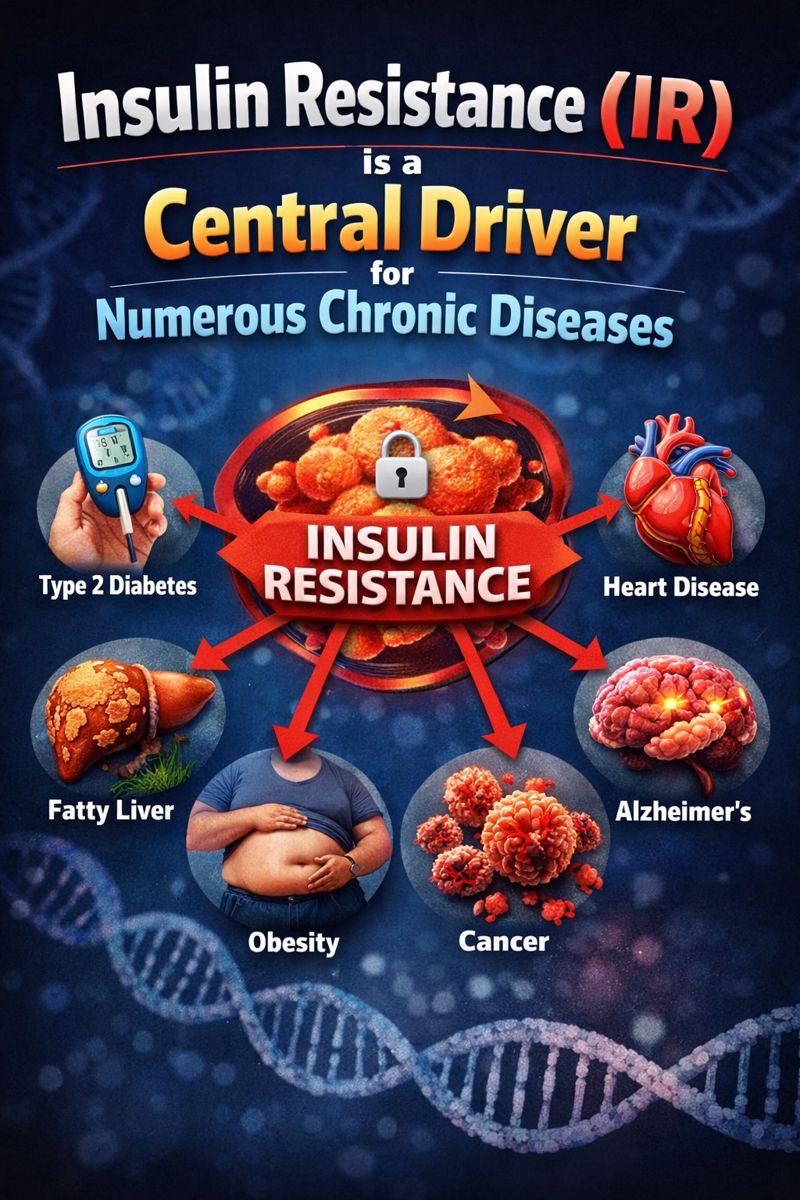
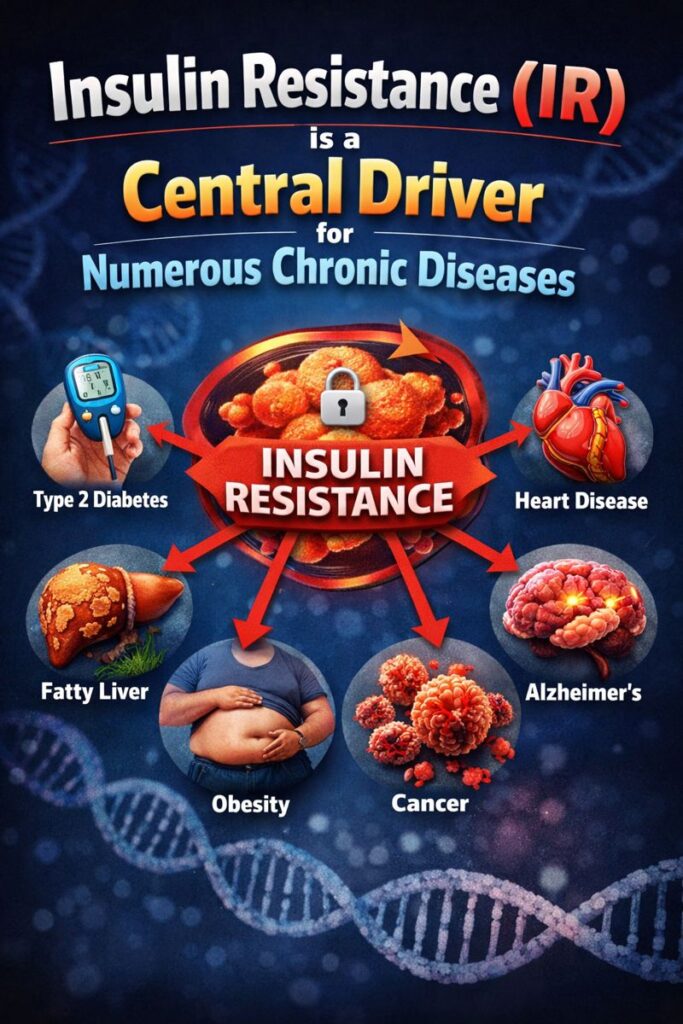
Insulin resistance (IR) is a central driver for numerous chronic diseases, acting as a common root cause by disrupting energy metabolism, triggering low-grade inflammation, and leading to conditions like Type 2 Diabetes, cardiovascular disease, nonalcoholic fatty liver disease (NAFLD), chronic kidney disease (CKD), hypertension, and certain cancers, often linked through metabolic syndrome and mitochondrial dysfunction, creating a vicious cycle of worsening health.
Key Connections & Mechanisms
Energy Imbalance: Cells, especially muscle, become less responsive to insulin, meaning glucose stays in the blood instead of entering cells for energy, forcing the pancreas to produce more insulin (hyperinsulinemia).
Chronic Inflammation: IR promotes a state of chronic, low-grade inflammation, involving cytokines like TNF-α and IL-6, which damages blood vessels and tissues, contributing to atherosclerosis and other diseases.
Metabolic Syndrome: IR is a key component of metabolic syndrome, linking obesity, high blood pressure, abnormal cholesterol (dyslipidemia), and high blood sugar.
Associated Chronic Diseases
Type 2 Diabetes: The most direct consequence, as the pancreas eventually can’t keep up with insulin demand.
Cardiovascular Disease (CVD): Contributes through hypertension, dyslipidemia, oxidative stress, and inflammation, damaging arteries and increasing stroke/heart attack risk.
Chronic Kidney Disease (CKD): IR and hyperinsulinemia directly injure kidney tissues, worsening kidney function.
Nonalcoholic Fatty Liver Disease (NAFLD): Insulin resistance promotes fat buildup in the liver, potentially leading to severe liver damage.
Cancer: IR and obesity are risk factors for several cancers (e.g., gastrointestinal, reproductive).
Neurological Disorders: Linked to cognitive decline and Alzheimer’s disease.
The Vicious Cycle
High insulin levels lead to weight gain (especially abdominal fat), which further worsens insulin resistance, creating a cycle that promotes metabolic dysfunction and chronic illness.
What Helps?
Lifestyle changes are crucial, including a whole-foods diet, regular exercise, and weight loss, which improve insulin sensitivity and reduce the risk of these chronic conditions.